Essential Spring-Cleaning Tasks for Horse Barns: A Complete Guide
Spring is the perfect time to refresh your horse barn, eliminate winter buildup, and create a healthier environment for your animals. A well‑organized, deeply cleaned barn reduces disease risk, improves air quality, and makes daily chores easier. Let’s cover the most important spring cleaning and maintenance tasks, why they matter, and how to tackle them efficiently.
- Deep Stall Cleaning
Deep cleaning stalls goes far beyond removing daily manure. Spring is the time to strip each stall completely.
- Remove all bedding down to the floor (dirt or concrete) Install new DG if necessary to re-level your stalls
- Scrub walls, mats, and corners with disinfectant and horse stall sanitation is important (especially with disease outbreaks)
- Pull up rubber mats to clean and dry the subfloor (leave horses out of the stalls for 48-72 hours or until the dirt is completely dry)
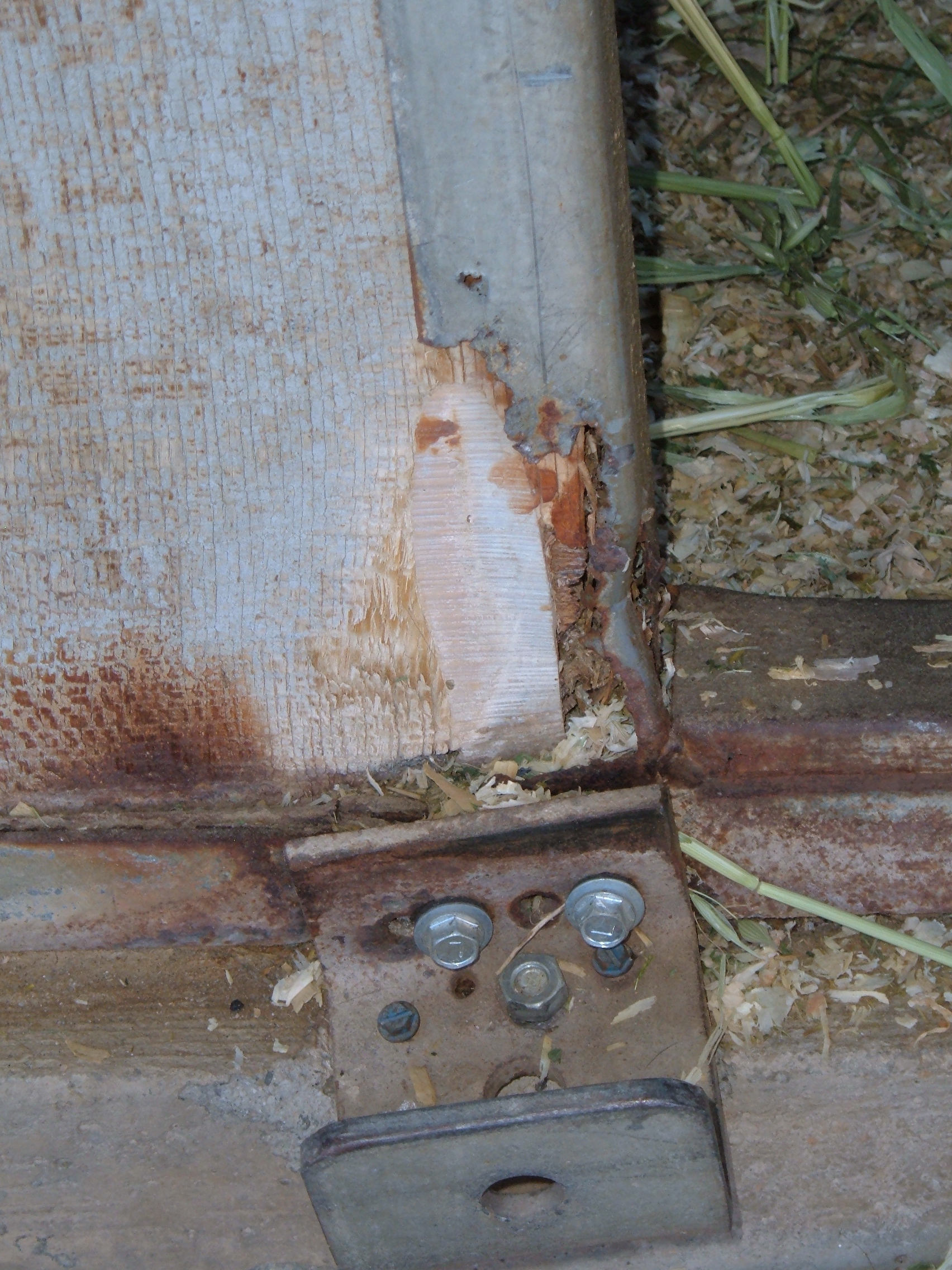
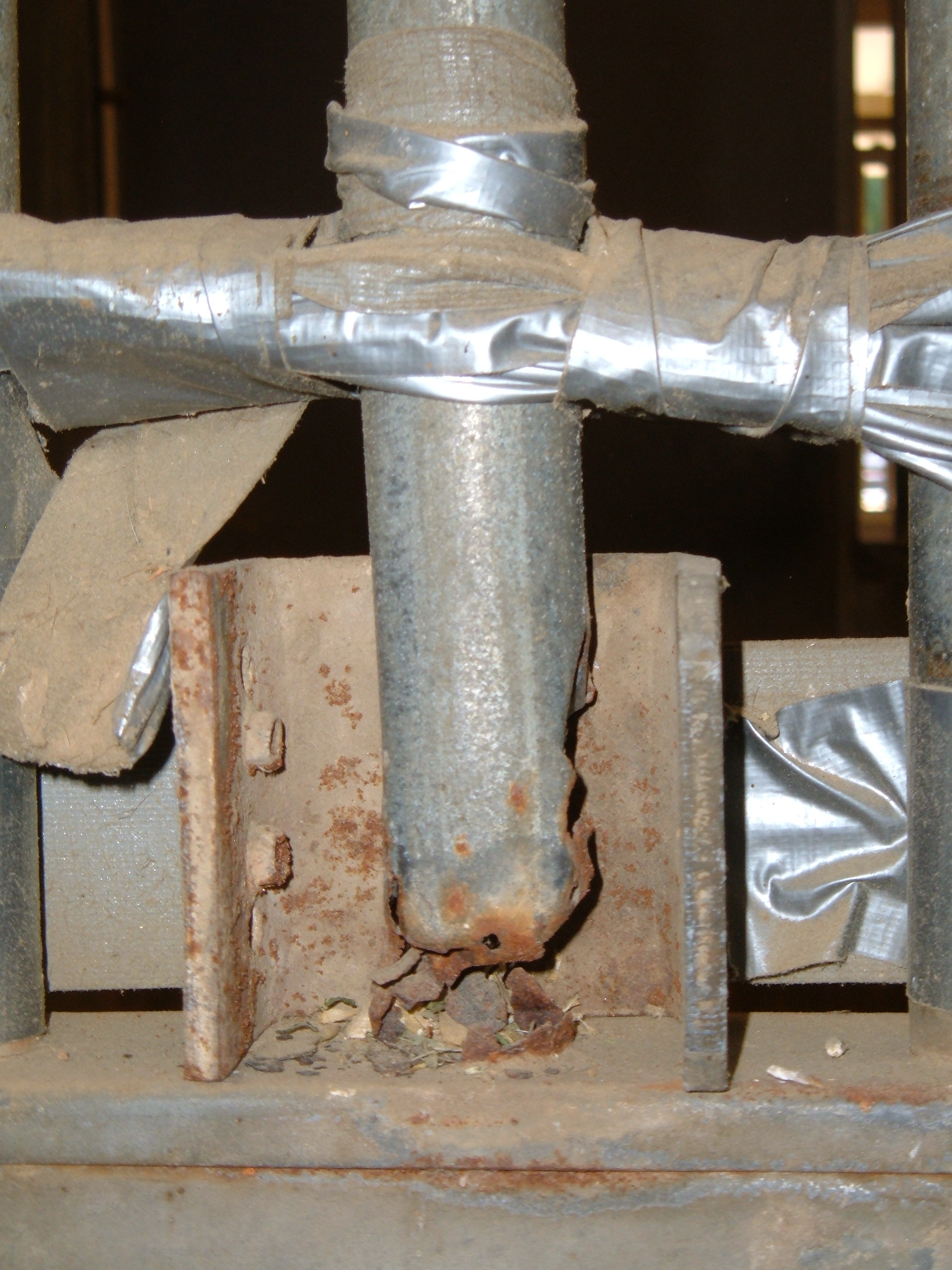
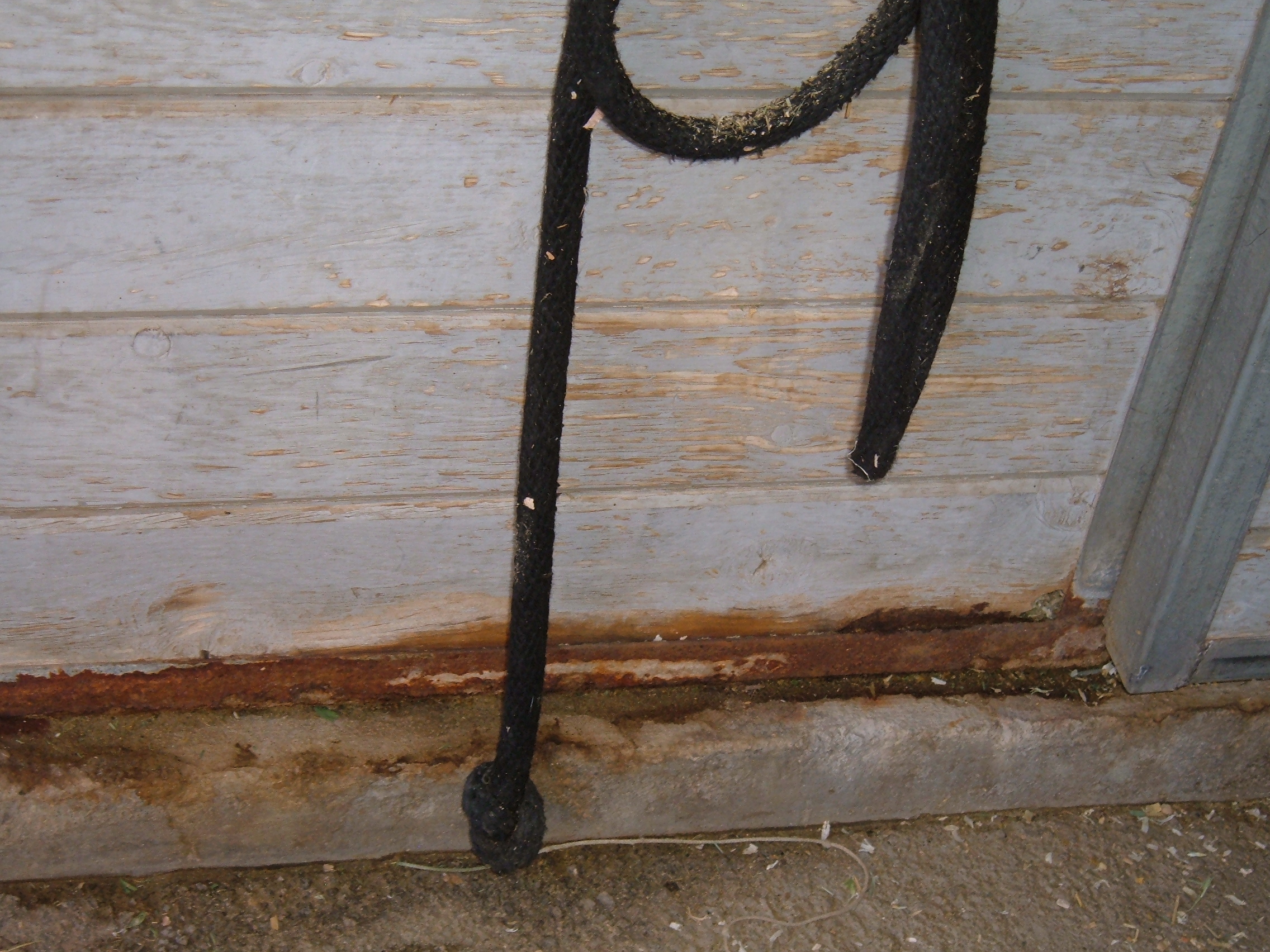
- Check for rot, mold, or ammonia damage (check all corners of your metal barn for rust/rot, broken bolds or welds also) Check for bent door frames or pushed out walls also.
2. Dust and Cobweb Removal
Dust and cobwebs accumulate heavily during winter when barns stay closed up.
- Sweep rafters, beams, fans, and light fixtures
- Use a shop vac for high or hard‑to‑reach areas
- Wear a mask to avoid inhaling dust and mold spores
This improves air quality and reduces fire hazards.
3. Ventilation System Check
Good airflow is essential for preventing respiratory issues in horses.
- Clean fans, vents, and louvers
- Replace filters in mechanical ventilation systems
- Ensure windows and doors open smoothly
- Look for signs of moisture buildup or mildew.
4. Repair and Inspect Barn Structure
Winter weather can cause hidden damage.
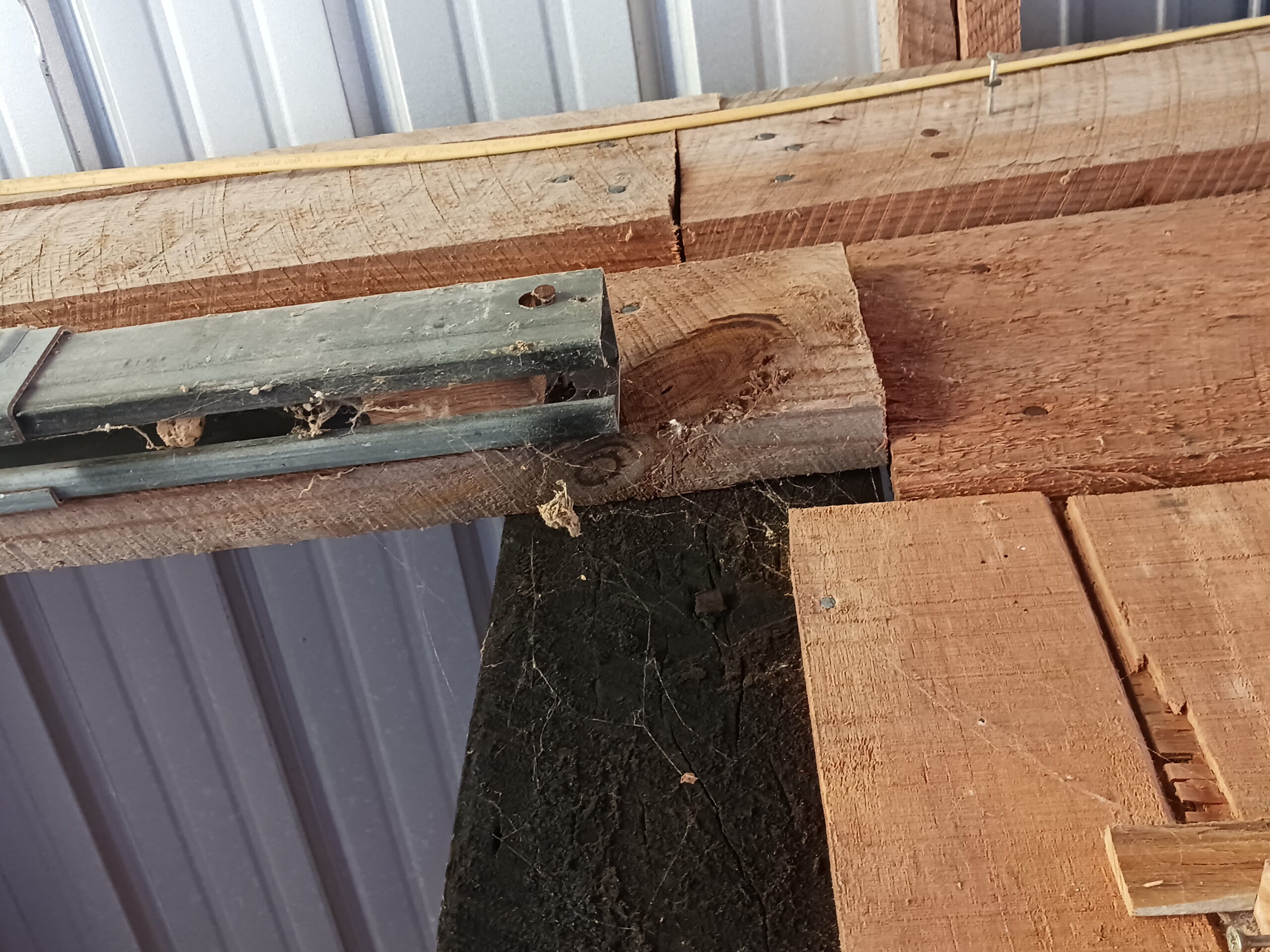
- Inspect walls, beams, and support posts or sharp edges, broken welds, deteriorated metal supports or wall inserts
- Check for loose boards, protruding nails, or broken latches
- Repair or replace damaged stall fronts and doors
This improves safety for both horses and handlers.
5. Cleaning the Tack Room
A cluttered tack room wastes time and can damage expensive equipment.
- Keep your horse equipment clean and condition leather tack
- Tack room organization such as organize shelves, hooks, and storage bins
- Check expiration dates on supplements and medications
6. Feed Room Deep Clean
Rodents and moisture can compromise feed quality.
- Empty bins and sweep out spilled grain
- Sanitize feed containers (especially if there has been a disease outbreak locally)
- Inspect for mold, pests, or chewed bags
- Rotate stock using FIFO (first in, first out)
A clean feed room reduces contamination and waste.
7. Water System Maintenance
Clean water is essential for horse health.
- Scrub buckets and automatic waterers (replace if necessary) – install monitors on automatic waterers to be sure your horses are drinking enough
- Check for leaks or malfunctioning valves, hoses or leaking underground lines.
- Flush water lines if needed
8. Pasture and Paddock Prep
Your barn extends beyond the walls to your pastures, paddocks and stalls.
- Repair fencing and gates, remove or cut down dangerous or invasive trees that could fall during storms
- Drag paddocks to break up manure
- Seed bare spots and manage mud and keep horses off the pastures for 4-6 weeks for new growth to ensure its stability (pasture rotation is extremely important in spring also)
- Remove debris from winter storms. This helps to prevent flying debris and also reduces risks of fire danger should one break out near your area.
Healthy turnout areas reduce injury and improve grazing, gives you peace of mind and confidence that your horses may avoid injuries.
9. Fire Safety Review
Spring is ideal for updating safety measures.
- Test smoke detectors and fire extinguishers, install new as needed
- Clear clutter from aisles and exits. Have a designated area for blankets and other horse equipment. Have evacuation packages ready on each stall for easy application when/if needed
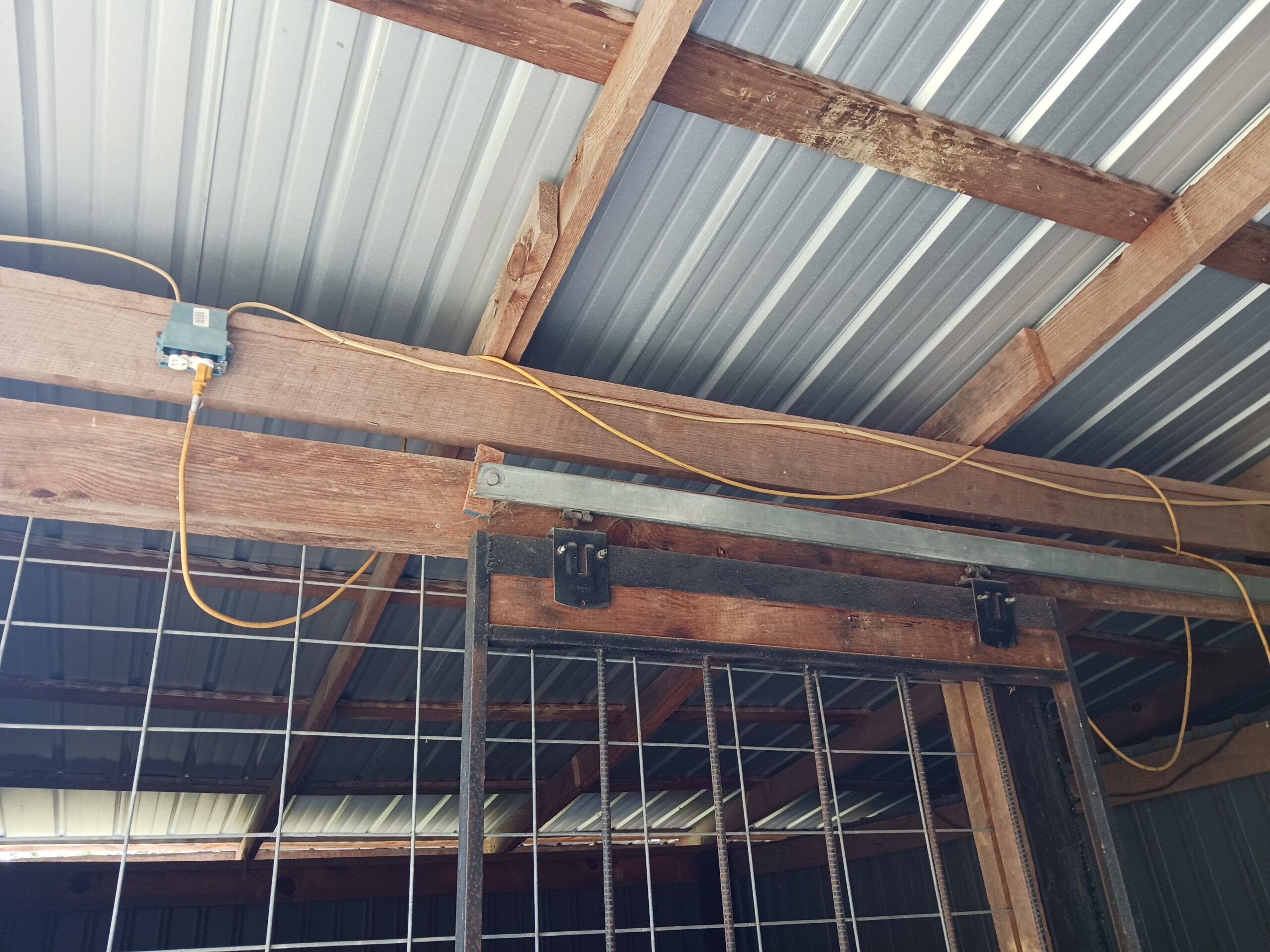
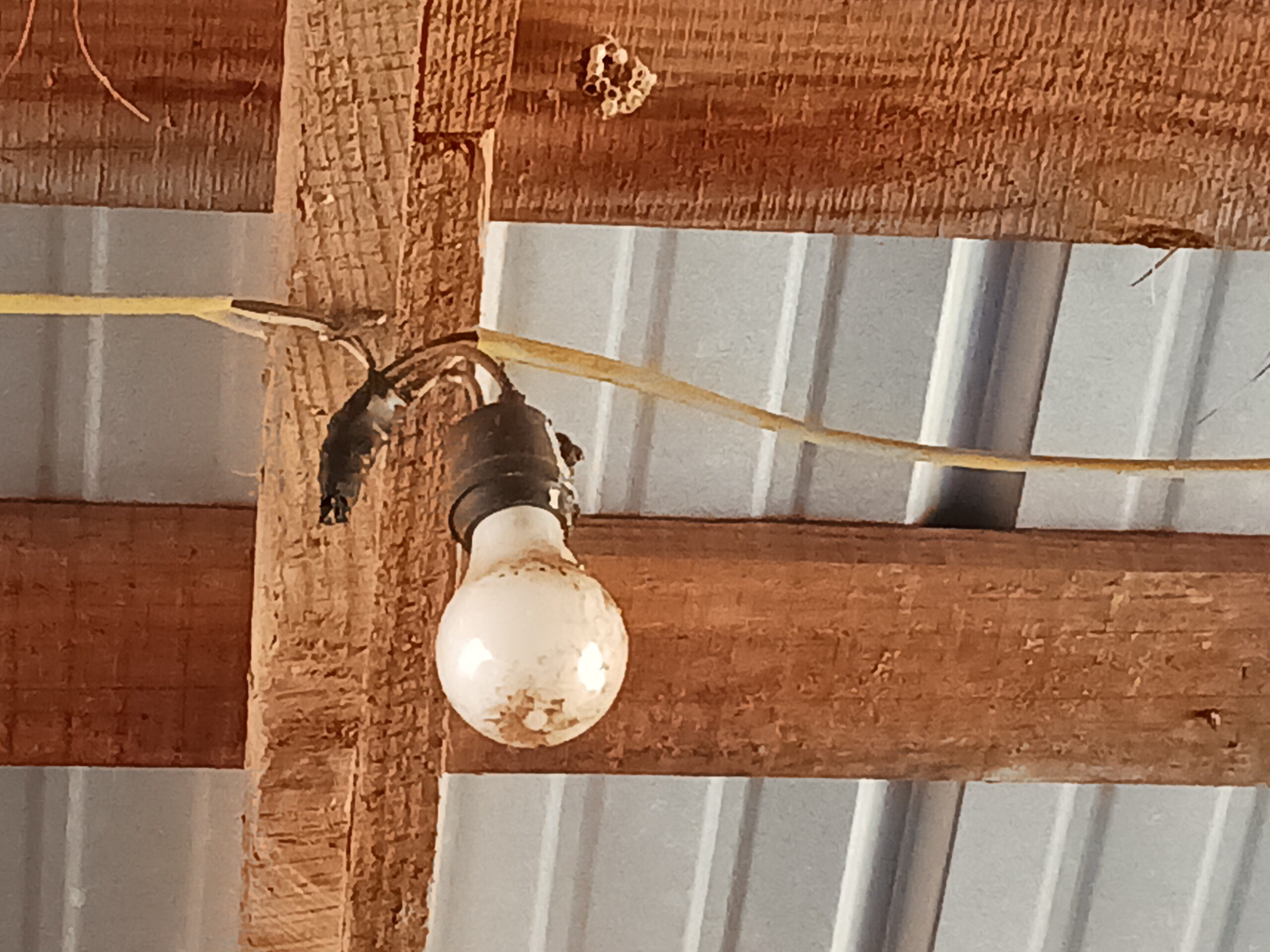
- Inspect electrical wiring for damage. Repair or replace all damaged wires, plugs and outlets. Contact a licensed electrician for installation.
- Create or update your emergency plan. Have a map made of your property and the evacuation routes, locations, contact numbers that you may need.
10. Pest and Parasite Control
Warm weather brings flies, rodents, and parasites.
- Clean manure piles and remove standing water and muddy areas
- Set up fly traps or automatic fly systems. Several companies also have holistic treatments for flies and other pests you can use.
- Seal cracks where rodents enter (particularly in your feed/grain rooms). Install rodent free/ safe containers for all grains, supplements and medications.
- Schedule spring deworming with your vet
Why should you worry about Spring-Cleaning Matters your Horse Barns?
A thorough spring cleaning:
- Reduces respiratory risks
- Prevents disease spread
- Improves horse comfort
- Extends the life of barn materials
- Makes daily chores faster and easier
- Can also improves income for those who have boarding stables. A clean attractive well-maintained equine facility and barn can attract new clients and sometimes at a higher rate.
- Regular horse barn cleaning, barn maintenance and equine facility sanitation is important for not only the horses, but the owners too.
Conclusion
Spring cleaning your horse barn is an investment in your horses’ health and your facility’s longevity. By tackling these essential tasks, you create a safer, cleaner, and more efficient environment for the season ahead.
Safe Horse Fencing: Protecting Horses Starts at the Fence line